

round led vanity mirror
Understanding the 4% Foot Level with a Ruler A Practical Approach to Measurement In today’s fast-paced world, understanding measurement is essential in various fields, whether in construction, science, or daily life. One interesting aspect of measurement that often gets overlooked is the concept of the 4% foot level, especially when it involves the use of basic tools like a ruler. This article explores the significance of the 4% foot level, how to accurately measure it, and its practical applications. What is the 4% Foot Level? Before diving into the measurement process, it is crucial to define what is meant by the 4% foot level. This term generally refers to a specific height or angle that is 4% of an elevation typically measured in feet. In many cases, especially in construction and landscaping, the 4% incline is used as a standard for drainage purposes, ensuring that water flows correctly away from structures, preventing flooding or water accumulation. To break it down further, a 4% grade means that for every 100 horizontal units, there is a vertical rise of 4 units. In the context of a 1-foot rise, a 4% incline would effectively mean that for every 25 feet horizontally, the elevation would increase by 1 foot. This simple ratio is essential for creating safe, effective slopes in various settings. Using a Ruler to Measure the 4% Foot Level To measure a 4% grade accurately using a ruler, follow these steps 1. Set Up Your Tool Begin with a standard ruler or measuring tape. A flexible measuring tape may offer advantages in larger areas, while a solid ruler can be excellent for shorter distances. 2. Mark Your Distance Decide the distance over which you want to measure the incline. For instance, if you are working with a length of 25 feet, mark this distance clearly on the ground. 3. Calculating the Rise Use the formula to calculate the rise based on the percentage you need. For a 4% grade over 25 feet, you would need an elevation change of 1 foot. 4 foot level with ruler 4. Use the Ruler Measure 1 foot vertical height from the marked starting point (0 feet) . This point now represents the 4% incline’s height. 5. Connecting the Points Use a straight edge to connect the starting point (0 feet) to your endpoint along the measured horizontal distance. The slope you have created visually represents your desired 4% grade. Applications of the 4% Foot Level Understanding and applying the 4% foot level has practical implications across multiple fields. 1. Construction In building design, ensuring proper drainage is vital. By implementing a 4% slope in driveways, sidewalks, and roofs, builders can direct rainwater away from structures, thereby minimizing damage and increasing structural integrity. 2. Landscaping Vegetation needs adequate drainage to flourish. By utilizing a 4% slope, landscapers can facilitate better water flow, ensuring that plants receive necessary hydration without risk of waterlogging. 3. Road Design Engineers often rely on specific grades like the 4% foot level to create safe roadways that promote effective runoff during rainstorms, ensuring safety for vehicles on the road. 4. Sports Fields In sports field design, a gentle slope can help maintain appropriate drainage and enhance playing conditions. It’s crucial for preventing puddles and maintaining surface integrity. Conclusion The concept of the 4% foot level is simple yet profoundly impactful across various disciplines. Mastering this measurement technique not only enhances practical skills but also contributes to the safety, functionality, and aesthetics of our environments. Whether you are a DIY enthusiast, a landscaping professional, or a construction worker, understanding and applying the 4% foot level with a ruler can lead to better outcomes in your projects.
about
round led vanity mirror
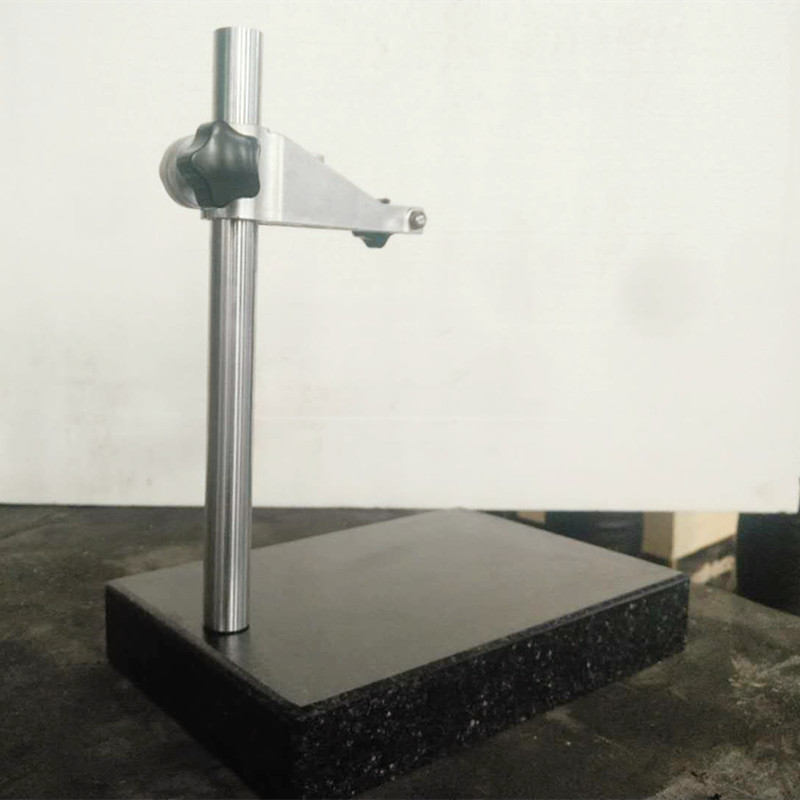
The Importance of the Inspection Ruler in Quality Control In any manufacturing or production environment, maintaining high standards of quality is critical to ensuring customer satisfaction and operational efficiency. One of the essential tools used in quality control is the inspection ruler. While seemingly simple, the inspection ruler plays a vital role in various industries, helping businesses uphold their commitment to producing high-quality products. What is an Inspection Ruler? An inspection ruler is a measuring tool used to check the dimensions and tolerances of parts, components, and assemblies. Typically made from durable materials, such as stainless steel or aluminum, it features precise markings that allow users to measure lengths, widths, and heights accurately. Inspection rulers often come with additional features such as angle measurement, levels, and even built-in calipers for enhanced versatility. Applications of the Inspection Ruler The inspection ruler is ubiquitous across a wide range of sectors, including manufacturing, construction, woodworking, and electronics. In manufacturing plants, inspectors use rulers to verify that components meet specified dimensions before they proceed to the next stage of production. This evaluation is crucial, as any deviation from the required specifications can lead to assembly issues or product failures down the line. In construction, the inspection ruler assists contractors in measuring distances and ensuring that structures are built according to design specifications. Architects and engineers depend on accurate measurements to bring their designs to life, making the inspection ruler an indispensable tool on job sites. Similarly, in woodworking, artisans utilize inspection rulers to create fine furniture and intricate designs . Precise measurements are essential to ensure that parts fit together seamlessly, allowing for both functional performance and aesthetic appeal. Benefits of Using an Inspection Ruler inspection ruler 1. Accuracy The primary advantage of using an inspection ruler is its ability to provide precise measurement. This accuracy is crucial in ensuring that each component aligns with design specifications, thus reducing the likelihood of defects. 2. Versatility Inspection rulers can be employed in various applications, making them a versatile addition to any toolkit. Their design typically allows them to measure both linear dimensions and angles, accommodating different needs in the field. 3. Ease of Use Unlike digital measuring tools, inspection rulers are easy to use and require no batteries or complex setups. Users can quickly measure and mark dimensions, streamlining the inspection process. 4. Cost-Effectiveness Inspection rulers are relatively inexpensive compared to other measurement tools. Their durability and reliability make them a cost-effective solution for businesses looking to maintain quality without breaking the bank. 5. Training and Accessibility New employees can be trained quickly on how to use an inspection ruler, minimizing downtime and enhancing productivity. Their simplicity makes them accessible to individuals across various skill levels. Conclusion The inspection ruler, while often overlooked in the grand tapestry of manufacturing and quality control, embodies the principles of precision, efficiency, and reliability. By employing this simple yet effective tool, businesses can uphold their standards, reduce waste, and foster a culture of continuous improvement. In a world where customer expectations continue to rise, the significance of maintaining quality cannot be overstated. The inspection ruler, with its myriad applications and benefits, remains a cornerstone in the quest for excellence in production and craftsmanship. Ultimately, as industries continue to evolve and technology advances, the fundamental need for accurate measurement will persist. It is tools like the inspection ruler that serve as the backbone of quality assurance, ensuring that products not only meet specifications but also embody the integrity and craftsmanship that consumers expect. From the factory floor to the construction site, the inspection ruler is an indispensable ally in the pursuit of quality.
-

High quality industrial productsagement

High quality industrial products
View Details -

Meet the diverse needs of customers

Meet the diverse needs of customers
View Details -

Strict quality control

Strict quality control
View Details -

Top raw materials

Top raw materials
View Details -

Trusted supplier

Trusted supplier
View Details
Our application


news and information
Y Type Strainer Filters for Efficient Fluid Filtration Solutions
Understanding Y-Type Strainer Filters A Comprehensive Overview In various industrial applications, e
Wear Resistance Strategies for Trapezoidal Threads
Trapezoidal threads are a cornerstone of mechanical systems requiring precise linear motion and load
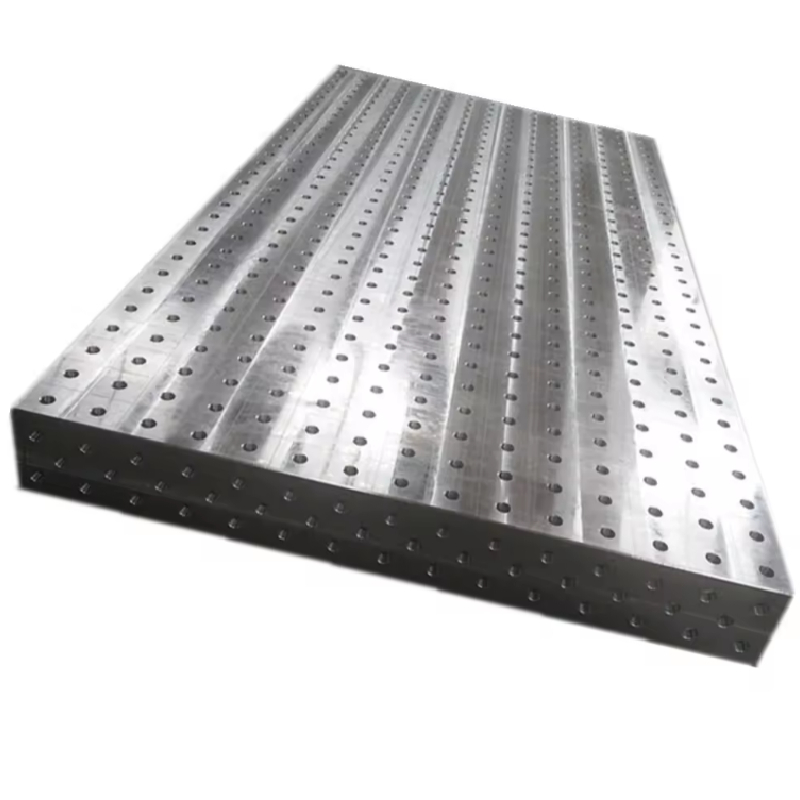
Versatile Clamps for Effective Fabrication Table Applications and Projects
Fabrication Table Clamps Essential Tools for Precision in Manufacturing In the realm of manufacturin
 English